 AI-powered next-generation perimeter gateway delivering top-level security and performance
Check Point Nex-Gen Firewall
AI-powered next-generation perimeter gateway delivering top-level security and performance
Check Point Nex-Gen Firewall

Check Point Nex-Gen Firewall leverages an advanced threat intelligence platform that integrates cloud-based security intelligence, a high-performance automated threat response system, and more than 50 AI engines.
It delivers AI-driven threat prevention of up to 1 Tbps and achieved an unparalleled 99.8% malware block rate in the “NGFW Firewall Security Benchmark 2024” conducted by independent testing organization Miercom.
In addition, throughput with next-generation firewall features enabled has been significantly improved. The product is available in a highly scalable lineup, with the latest CPUs and enterprise SSDs across all series and redundant power supply options available.
Features of Check Point Nex-Gen Firewall
-
Next-generation firewall that addresses a wide variety of threats
Check Point Nex-Gen Firewall comes with pre-packaged security capabilities called Software Blade that address a wide variety of threats, allowing customers to select the capabilities that meet their security requirements.
Compared with previous models, threat prevention throughput has more than doubled. In addition to conventional firewall functionality, AI-powered security capabilities provide perimeter protection against the latest threats.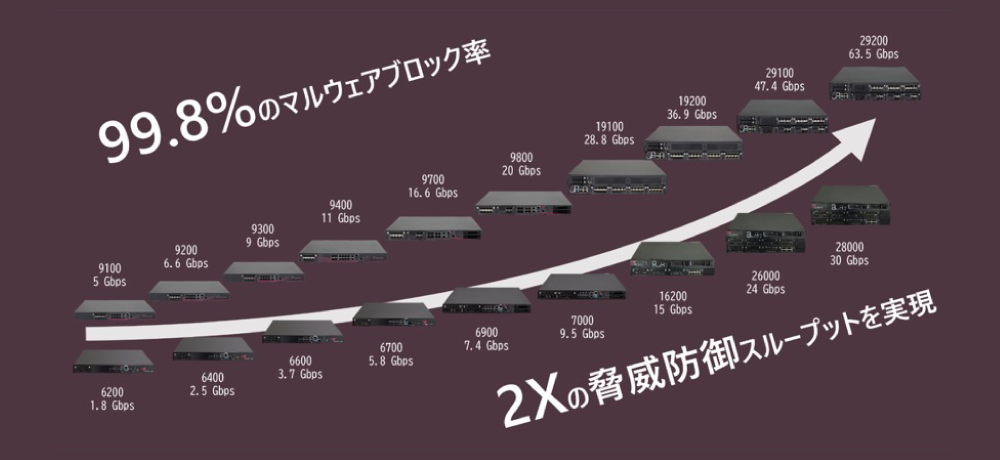
-
Ultra-high throughput with high-speed 40/100G modules equipped with ASICs
The expansion slots on Check Point Nex-Gen Firewall support 8-port 10G SFP and 4-port 10/25G SFP28 expansion NICs, as well as ASIC-based 40/100G QSFP SmartNIC modules co-developed with NVIDIA..
Check Point’s proprietary acceleration technology, SecureXL, improves performance by processing subsequent packets in previously permitted traffic flows on a separate CPU within the appliance. By offloading this processing to the CPU built into the ASIC, Check Point Nex-Gen Firewall delivers a significant increase in firewall throughput.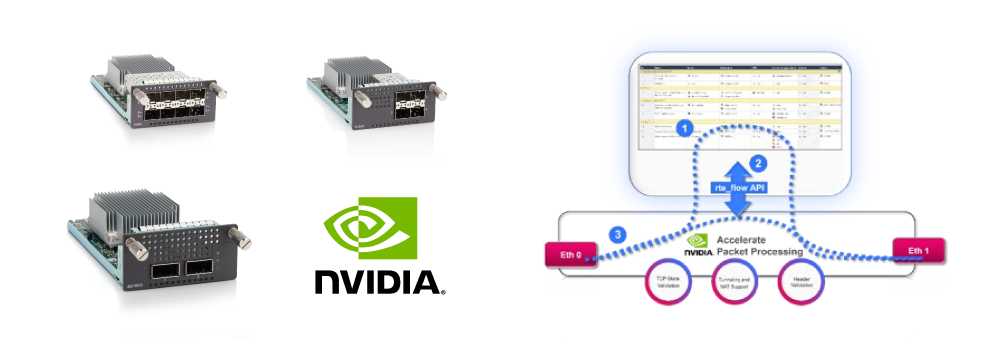
-
Latest Hardware and High Scalability
Check Point Nex-Gen Firewall is equipped with the latest CPUs and enterprise SSDs across all series, with redundant power supply options also available. Its modular components make it easy to add the required accessories.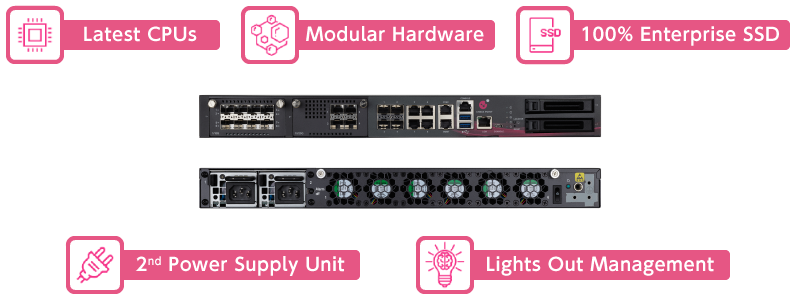
Configuration examples
Configuration examples 1
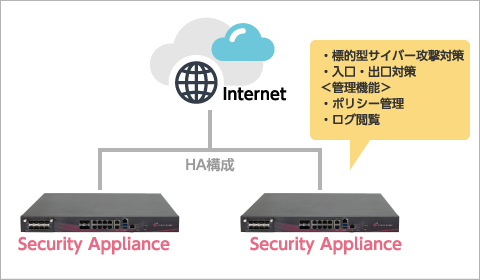
Check Point Nex-Gen Firewall includes a bundled management license, allowing a redundant configuration without requiring a separate management server or additional licenses. Because targeted cyberattack protection capabilities are consolidated into a single appliance, both inbound and outbound protection can be implemented without deploying multiple devices.
Configuration example 2
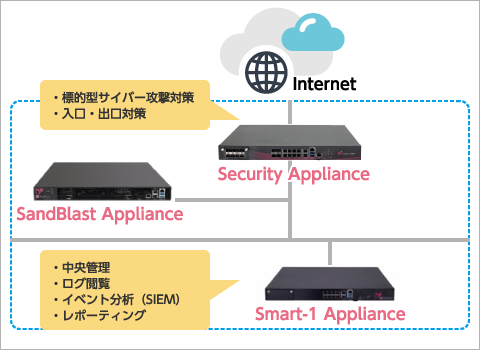
Deploying Check Point SandBlast TE Appliance, which provides sandboxing and email content disarm and reconstruction, together with Check Point Nex-Gen Firewall enables advanced security protection. Adding Smart-1, a dedicated security management appliance, enables centralized management and monitoring of security gateways. Smart-1 includes event analysis and reporting capabilities as standard, making it easy to understand the current security status and trends.
Deployment patterns
Deployment pattern 1: Achieving cutting-edge security and cost savings
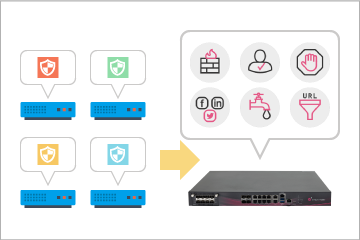
Use the next-generation firewall “Check Point Nex-Gen Firewall 9700” as the network security gateway.By leveraging multiple security functions on a single platform, you can reduce overall costs.
Deployment pattern 2: Countermeasures against intrusions and data breaches
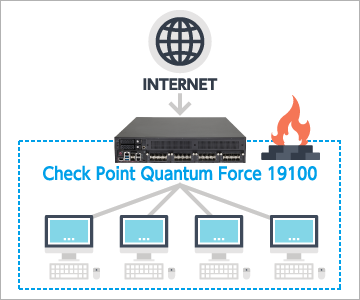
Use the next-generation firewall “Check Point Nex-Gen Firewall 19100” as the gateway responsible for preventing unauthorized intrusions and information leaks.
Security Products
- Next-Generation Firewall
- Targeted Attack Protection
- Cloud Security / Virtualization
- Mobile / Endpoint Security
- Email Security
- Anti-Phishing
(BEC etc.) - Application Security
- Server Security
- Sandbox
- File Sanitization
- Log Analysis
- Server Monitoring
- Encryption
- Security Policy
- Industrial Control System Security
- Connected Car Security
- WAAP
- Browser Security
- Cloud Backup
- SASE
- ASM
- Vulnerability Management
- Security for AI