A CTER solution that mitigates vulnerabilities even before vendor fixes are available
Vicarius VRX
A CTER solution that mitigates vulnerabilities even before vendor fixes are available
Vicarius VRX
Interop 2025 – Best of Show Award
Security (Enterprise) Category – Runner-Up
Simply identifying vulnerabilities is insufficient for effective defense. Vicarius VRX transforms your security posture by analyzing the enormous volume of vulnerability data to pinpoint the threats that are truly paramount to your organization. It instantly identifies and prioritizes the most critical risks, enabling immediate defensive action. Vicarius VRX accelerates the deployment of vendor patches and offers flexible mitigation for unpatched risks through scripting and virtual patching. This is a critical shift: moving beyond mere Vulnerability Management to comprehensive Exposure Management.
Stop struggling with vulnerability management and patching
The Growing Risk of Cyberattacks and the Criticality of Vulnerability Management
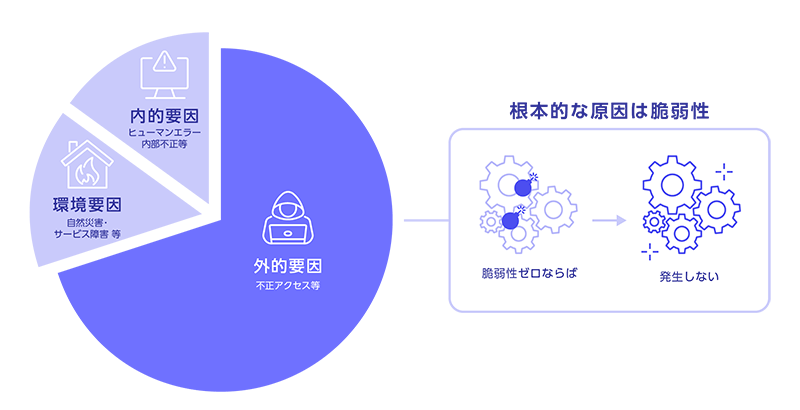
The volume of security incidents continues to increase year by year, and many unauthorized access attacks target system vulnerabilities.
However, with more than 100 new vulnerabilities disclosed every day, it is simply not realistic to fix them all. That’s why risk-based prioritization and rapid remediation are essential.
If Defense Is Delayed, Risk Will Escalate Exponentially
Attackers initiate campaigns targeting newly disclosed vulnerabilities immediately – often within mere days of public announcement. A delayed response directly translates to service risks, including service disruption and deep organizational compromise.
Four Challenges Organizations Face Today
With an overwhelming amount of vulnerability information available, it is not easy to identify which risks are truly critical. Managing patches for applications other than the OS is also difficult, and delays in remediation can leave the entire organization vulnerable. In addition, the period before an official patch is released can leave systems exposed, while operating multiple separate tools increases both cost and administrative burden.
Unable to identify
truly critical risks
Difficult to manage patches
for applications other than the OS
The "gap period" before
an official patch is risky
Fragmented tools increase
costs and operational workload
With an overwhelming amount of vulnerability information available, it is difficult to determine which issues should be prioritized, leaving the organization exposed to potentially serious risks.
Because patch management processes are not well established for browsers, business applications, and other software beyond the OS, vulnerability levels vary across endpoints and systems, weakening the security posture of the organization as a whole.
When vendor patches are delayed or no longer provided due to end of support (EOS), systems can remain exposed for extended periods, increasing the risk of attack.
Because vulnerability scanning, risk assessment, and patch deployment are performed using separate tools, licensing costs and operational workload continue to grow, creating a need to review the current approach.
Vicarius VRX: Achieving Simple and Powerful Vulnerability Management and Patching
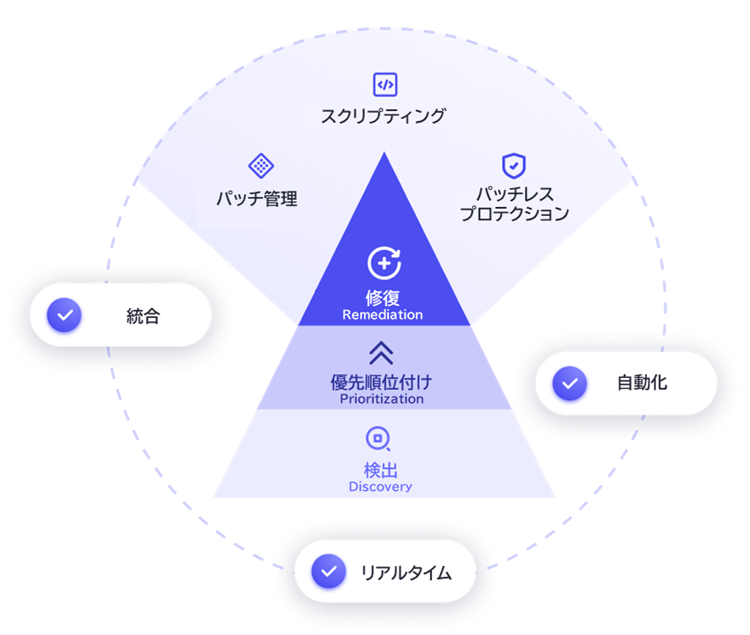
Vicarius VRX provides a one-stop solution to all these challenges through its three core pillars of capability: Analyze, Prioritize and Remediate.
Analyze: Accurately Grasping Your Vulnerability Landscape
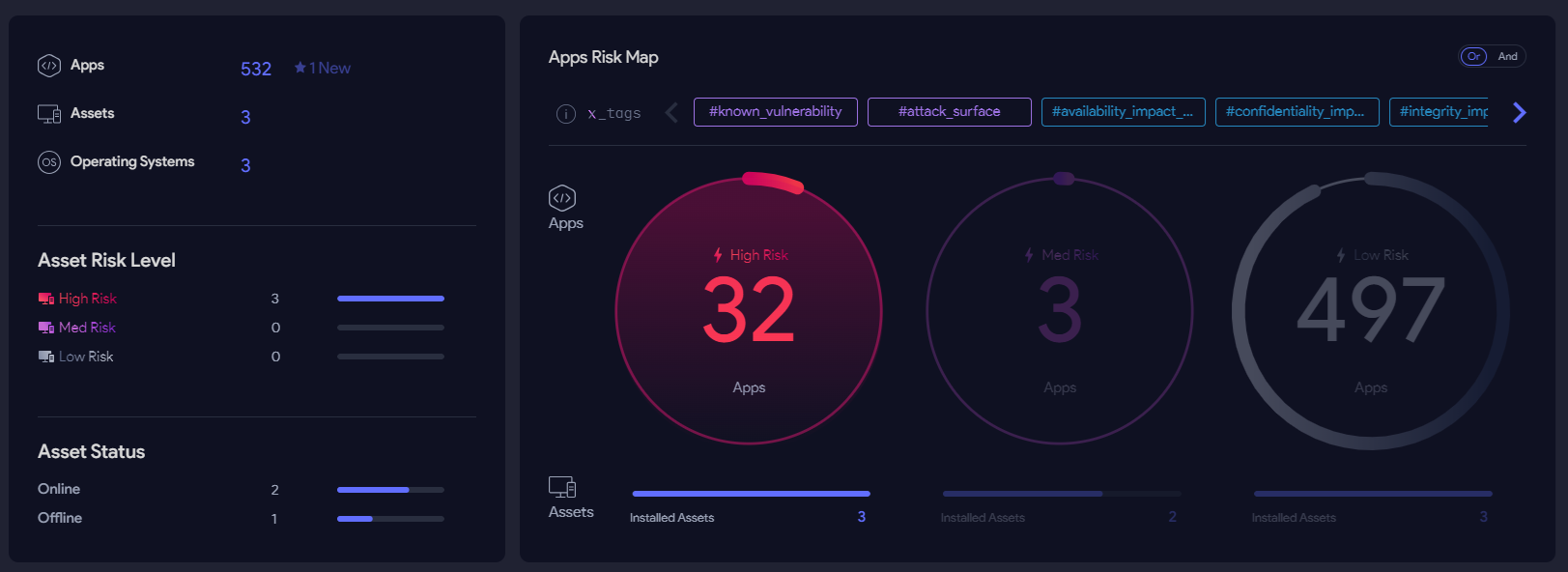
The analyze function continuously identifies operating systems and applications in use, providing real-time visibility into all assets and potential risks. It performs correlation analysis of CVSS scores, the Exploit Database, and system usage metrics to precisely identify the “truly exploitable vulnerabilities.”
Prioritize : Instantly Identify the Most Critical Vulnerabilities
Uniformly addressing every vulnerability is simply not practical.
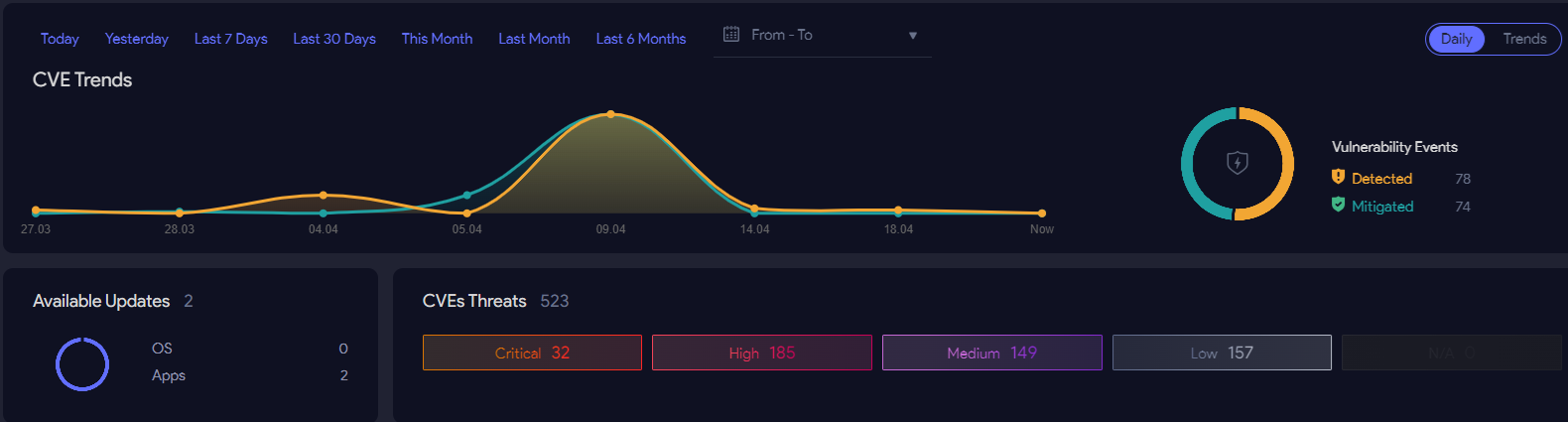
Vicarius VRX tackles this by scoring risk based on both exploitability and potential impact. This enables organizations to establish a framework for efficiently addressing vulnerabilities, starting with the highest-priority risks.
Remediate: Immediate Defense via Virtual Patching and Automated Mitigation
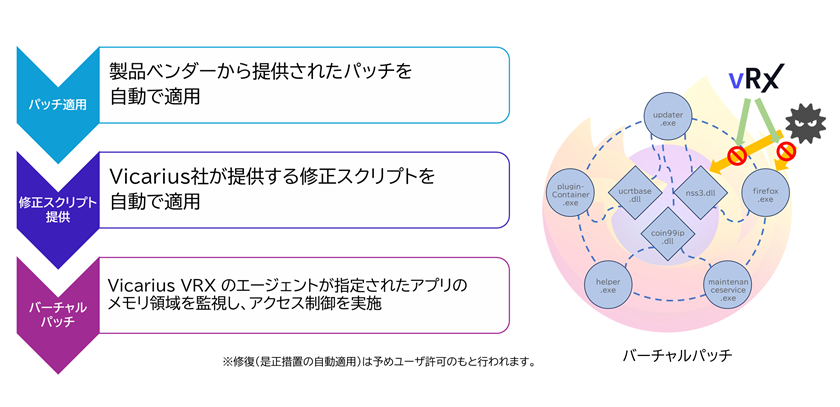
The Remediate function presents prioritized remediation actions for vulnerabilities, significantly reducing the cost and effort involved in security countermeasures. Even in cases where official patches are unavailable or when facing zero-day vulnerabilities, the vRx Agent provides instant defense using its proprietary “Virtual Patching” technology, which proactively protects vulnerable processes. Furthermore, in environments where patch deployment is difficult, vRx automatically applies alternative mitigation measures, such as configuration changes, to prevent system compromise. This capability optimizes the time and resources spent on vulnerability management.
Evolve Beyond Vulnerability Visibility: Achieve Full Exposure Management with Vicarius VRX
Accurately Assess Risk, Rapidly Prioritize Action, and Instantly Defend Assets
This is the new standard of vulnerability management required today.
Vicarius VRX will lead your organization’s security operations to the next stage.
Simply identifying vulnerabilities is insufficient for effective defense. Vicarius VRX transforms your security posture by analyzing the enormous volume of vulnerability data to pinpoint the threats that are truly paramount to your organization. It instantly identifies and prioritizes the most critical risks, enabling immediate defensive action. Vicarius VRX accelerates the deployment of vendor patches and offers flexible mitigation for unpatched risks through scripting and virtual patching. This is a critical shift: moving beyond mere Vulnerability Management to comprehensive Exposure Management.
Stop struggling with vulnerability management and patching
The Growing Risk of Cyberattacks and the Criticality of Vulnerability Management
The volume of security incidents continues to increase year by year, and many unauthorized access attacks target system vulnerabilities.
However, with more than 100 new vulnerabilities disclosed every day, it is simply not realistic to fix them all. That’s why risk-based prioritization and rapid remediation are essential.
If Defense Is Delayed, Risk Will Escalate Exponentially
Attackers initiate campaigns targeting newly disclosed vulnerabilities immediately – often within mere days of public announcement. A delayed response directly translates to service risks, including service disruption and deep organizational compromise.
Four Challenges Organizations Face Today
With an overwhelming amount of vulnerability information available, it is not easy to identify which risks are truly critical. Managing patches for applications other than the OS is also difficult, and delays in remediation can leave the entire organization vulnerable. In addition, the period before an official patch is released can leave systems exposed, while operating multiple separate tools increases both cost and administrative burden.
| Unable to identify truly critical risks |
Difficult to manage patches for applications other than the OS |
The "gap period" before an official patch is risky |
Fragmented tools increase costs and operational workload |
|---|---|---|---|
| With an overwhelming amount of vulnerability information available, it is difficult to determine which issues should be prioritized, leaving the organization exposed to potentially serious risks. | Because patch management processes are not well established for browsers, business applications, and other software beyond the OS, vulnerability levels vary across endpoints and systems, weakening the security posture of the organization as a whole. | When vendor patches are delayed or no longer provided due to end of support (EOS), systems can remain exposed for extended periods, increasing the risk of attack. | Because vulnerability scanning, risk assessment, and patch deployment are performed using separate tools, licensing costs and operational workload continue to grow, creating a need to review the current approach. |
Vicarius VRX: Achieving Simple and Powerful Vulnerability Management and Patching
Vicarius VRX provides a one-stop solution to all these challenges through its three core pillars of capability: Analyze, Prioritize and Remediate.
Analyze: Accurately Grasping Your Vulnerability Landscape
The analyze function continuously identifies operating systems and applications in use, providing real-time visibility into all assets and potential risks. It performs correlation analysis of CVSS scores, the Exploit Database, and system usage metrics to precisely identify the “truly exploitable vulnerabilities.”
Prioritize : Instantly Identify the Most Critical Vulnerabilities
Uniformly addressing every vulnerability is simply not practical. Vicarius VRX tackles this by scoring risk based on both exploitability and potential impact. This enables organizations to establish a framework for efficiently addressing vulnerabilities, starting with the highest-priority risks.
Remediate: Immediate Defense via Virtual Patching and Automated Mitigation
The Remediate function presents prioritized remediation actions for vulnerabilities, significantly reducing the cost and effort involved in security countermeasures. Even in cases where official patches are unavailable or when facing zero-day vulnerabilities, the vRx Agent provides instant defense using its proprietary “Virtual Patching” technology, which proactively protects vulnerable processes. Furthermore, in environments where patch deployment is difficult, vRx automatically applies alternative mitigation measures, such as configuration changes, to prevent system compromise. This capability optimizes the time and resources spent on vulnerability management.
Evolve Beyond Vulnerability Visibility: Achieve Full Exposure Management with Vicarius VRX
Accurately Assess Risk, Rapidly Prioritize Action, and Instantly Defend Assets
This is the new standard of vulnerability management required today. Vicarius VRX will lead your organization’s security operations to the next stage.
Security Products
- Next-Generation Firewall
- Targeted Attack Protection
- Cloud Security / Virtualization
- Mobile / Endpoint Security
- Email Security
- Anti-Phishing
(BEC etc.) - Application Security
- Server Security
- Sandbox
- File Sanitization
- Log Analysis
- Server Monitoring
- Encryption
- Security Policy
- Industrial Control System Security
- Connected Car Security
- WAAP
- Browser Security
- Cloud Backup
- SASE
- ASM
- Vulnerability Management
- Security for AI